Find, research and connect to the legaltech solutions you need
Legaltech Hub
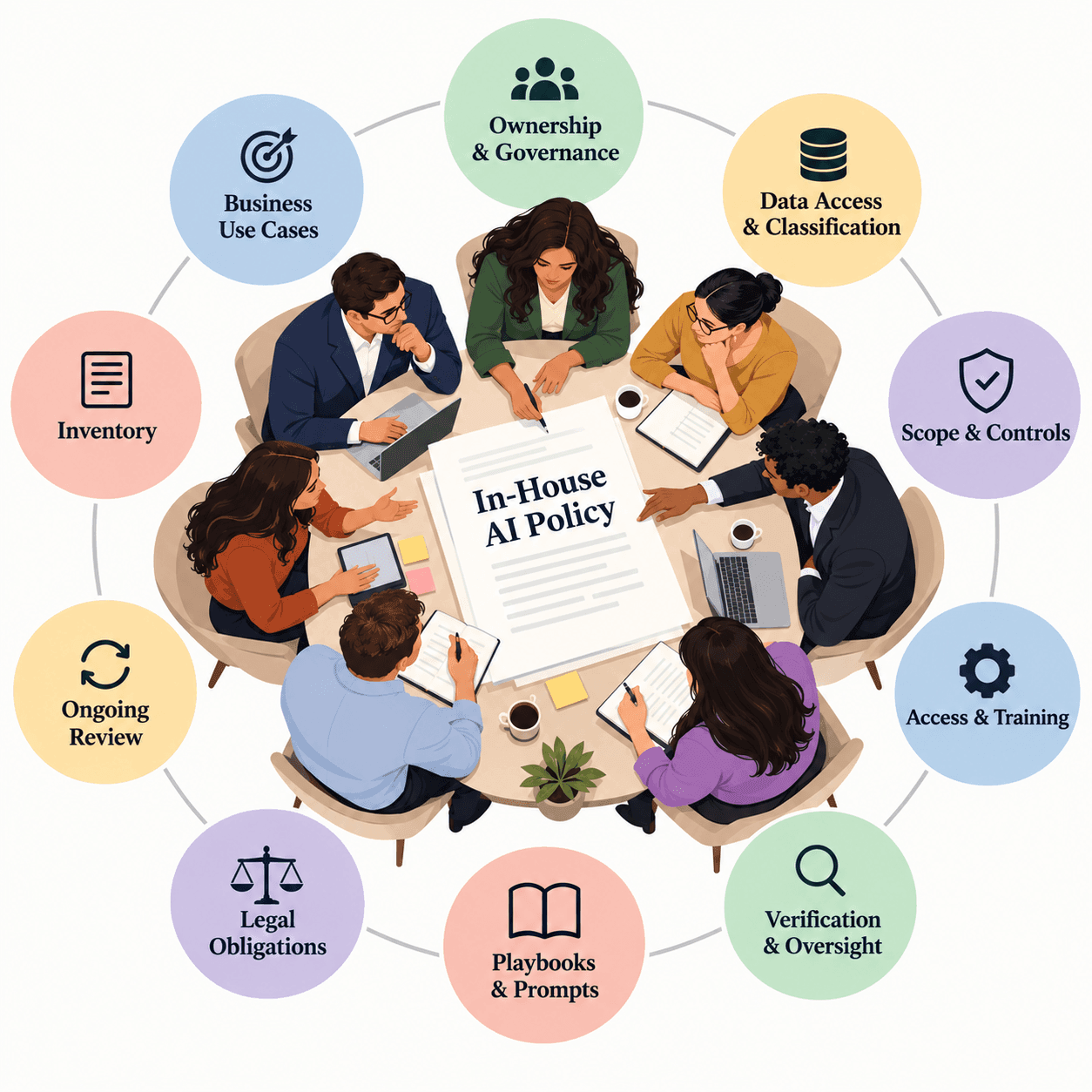
The In-House AI Policy Playbook: What Happens After You Say Yes to AI?

Published 10-23-2026
Legal departments have said yes to AI. Now comes the harder part--writing the policy while also being a player on the field. In-house teams must govern their own AI use and set the rules for the whole business. Here’s how to build a policy around ownership, authority and judgment that stays alive.
LTH Product Briefing – Opus 2

Published 10-22-2026
Opus 2 is a litigation management platform that gives disputes teams a shared environment for organizing evidence, building case strategy, and collaborating across the full life cycle of a matter. In a recent interview, Tiama Hanson-Drury, Chief Product and Technology Officer, discussed the problem Opus 2 solves, its key use cases, and what differentiates it in the market.
LTH Product Briefing – Actionstep 2026 Update
Published 10-16-2026
Actionstep is a law firm management platform with practice management and legal accounting solutions that centralize the information, workflows, and finances involved in running a law firm. In a recent interview, Jennifer Ramovs, Senior Director of Global Solutions at Actionstep, discussed the problem Actionstep solves, its key use cases, and what differentiates it in the market.
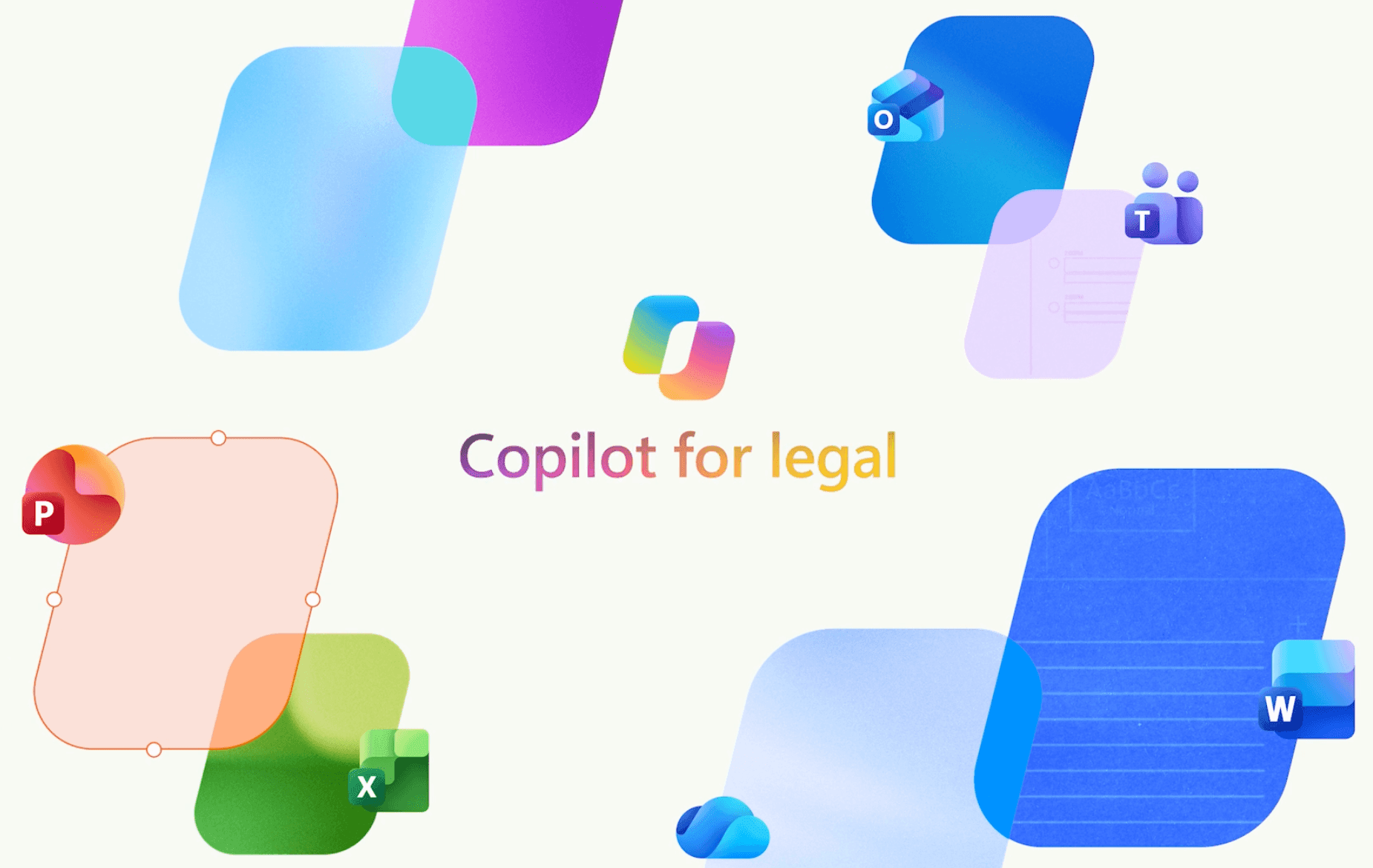
Microsoft Launches ‘Copilot for Legal’ With Legal-Specific Skills and Partner-Built Plugins

Published 10-15-2026
Following a series of legal-specific AI plays from the major frontier model providers, Microsoft has entered the arena with the launch of Copilot for legal. Today’s announcement identifies five different means of doing legal work in Copilot and other Microsoft tools: 1) a legal plugin for Copilot in Word, 2) a legal plugin for Copilot Cowork, 3) 20+ legal skills in Copilot, 4) partner-built legal plugins in Copilot, and 5) existing/soon-to-be-expanding legal agent functionality within Microsoft Word.
LTH Product Briefing – Draftable Clean
Published 10-15-2026
Draftable Clean is a metadata cleaning and scrubbing application for legal teams, designed to strip hidden document properties from files before they leave the organization. In a recent interview, Dr. Caspar Roxburgh, General Manager at Draftable, discussed the problem Draftable Clean solves, its key use cases, and what differentiates it in the market.
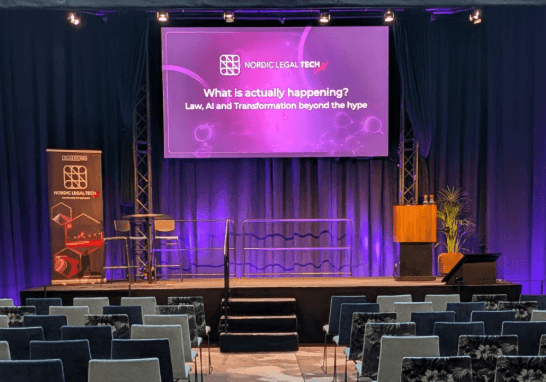
Nordic Legal Tech Day 2026: The Year the Conversation Turned Human

Published 10-12-2026
At 2026’s Nordic Legal Tech Day in Stockholm, the argument had moved on. The agents work now, the tools have matured, and the money is finding its feet—so the hardest conversations in the room weren't about technology at all. They were about people: how you train a junior lawyer to judge an answer that looks perfect, who gets rewarded for building, and what's actually left for the human to do.
Loading...